

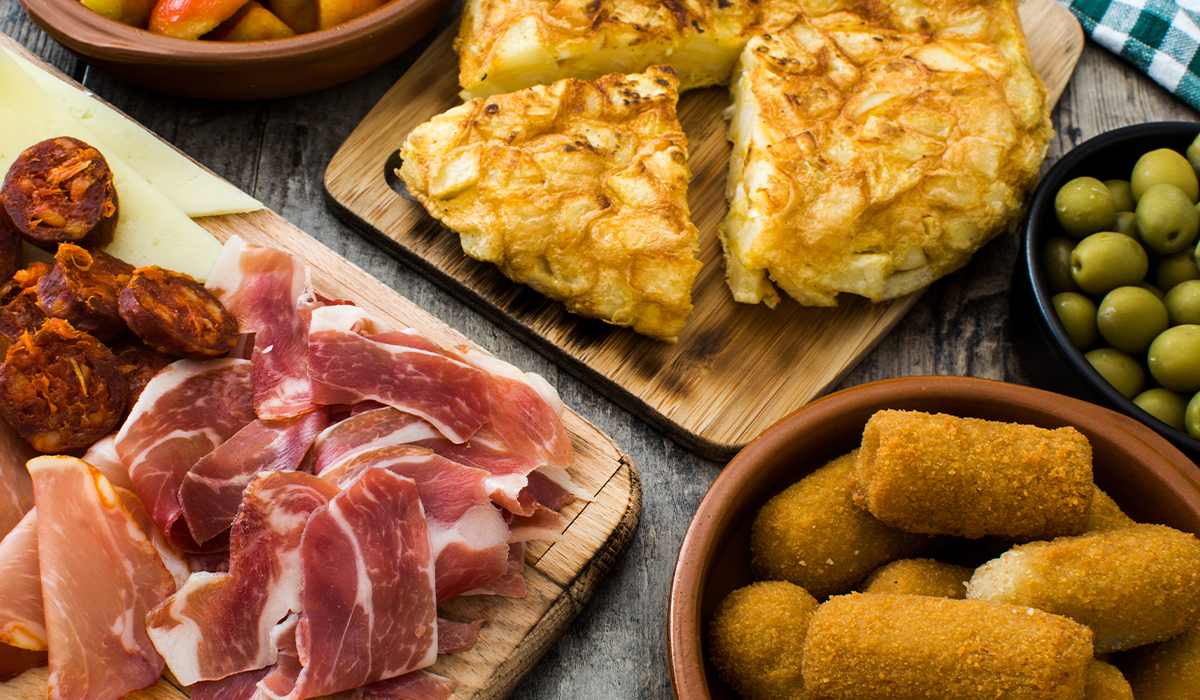
It’s just gone eight in the evening in San Sebastian’s Parte Veija, and a plate of gilda; a single, glistening skewer of anchovy, olive, and pickled pepper has just clattered into the bar in front of you.
Somewhere behind you, a waiter is pouring txakoli from a bottle held high above his head, splashing it into a glass that is less about showing off and more about waking the wine up. Nobody’s rushing, nobody’s checking their phone. You reach for the gilda, and in one bite, you understand why people build entire holidays around this city.
Here's the truth: most of us never get that far north. UK holidaymakers love Spain. We made around 3.2 million visits there in the first three months of 2026 alone, which is more than any nationality on earth, but the vast majority of that traffic pours into the same handful of cities and coastlines, year after year: Barcelona. The Costas. Palma.
Meanwhile, the entire top edge of the country, arguably the part with the best food in Spain, sits there quietly, waiting. This is your invitation to go north instead.
The Basque Country: San Sebastián and Bilbao
The Place: This is where the journey north properly begins, and where Spanish food earned its title in the first place.
San Sebastian alone has one of the highest concentrations of Michelin stars per capita anywhere in the world, but the real magic happens at street level, in the pintxos bars of the old town, where dinner is a moving feast across five or six different counters rather than one long sit-down.
What to Love: Pintxos, obviously, those beautiful, bite-sized constructions of bread, seafood, cured meat, and whatever the chef fancied that morning. Order by pointing, pay by the toothpick, and never, ever fill up at the first bar.
In Bilbao, head for the Mercado de la Ribera, one of Europe’s largest covered markets, for a wander among stalls selling anchovies, cheese, and cider before lunch even starts.
When to Visit:Skip peak August, when the bars are shoulder to shoulder. Late spring and early autumn give you the same food, thinner crowds, and a coastline that’s genuinely pleasant to walk along after dinner.
Make it Memorable: Find a proper sagardotegia, a Basque cider house up in the hills, where you fill your own glass straight from enormous chestnut barrels and eat your way through a set menu of cod omelette, chargrilled steak, and cheese with quince.
It's loud, it's communal, and it's about as far from a tourist trap as food gets. Go with an empty stomach and low expectations of an early night.
Asturias and Cantabria: The Green Coast
The Place: Come down off the Basque high and drift west, and the coastline turns wilder and greener. Dramatic cliffs, fishing towns, and hills of dairy cattle await. This is Spain’s answer to the west coast of Britain, if the west coast of Britain had considerably better cheese.
What to Love: Fabada asturiana, a slow-cooked bean stew with chorizo and morcilla that will happily ruin you for lunch elsewhere. Cider is poured from a height here too, but with even more ceremony, and the cheese, including the famously pungent Cabrales, aged in mountain caves, is some of the best in the country.
When to Visit:Late spring through early autumn brings cider festivals and cheese cave tours into full swing, and the countryside is at its greenest.
Make it Memorable: Book a visit to a working cheese cave near Cabrales, where the caves themselves do the aging, and follow it with an evening in a no-frills sidreria in Gijon. It is the kind of place where the pouring of the cider is genuinely half the entertainment.
Galicia: The Wild Atlantic Edge
The Place: Keep going and you’ll reach the end of the map, quite literally. Galicia is Spain’s rain-soaked, granite-cliffed northwest corner, and it’s the region British travellers visit least of the three.
This makes Galicia the closest thing to a genuinely hidden gem left in Western Europe.
What to Love: Octopus, boiled and dressed with paprika and olive oil, is practically a religion in Santiago de Compostela. Percebes, or goose barnacles, are foraged by hand from wave-battered cliffs and cost accordingly; worth every Euro.
Wash it all down with Albarino, a crisp, mineral white wine grown right along the coast.
When to Visit: September is the sweet spot: the seafood is at its best, the harvest is in, and the summer crowds have thinned right out. It's also when more UK travellers than ever are choosing to go; nearly a quarter of us now plan a September trip, up sharply from just a few years ago, and Galicia rewards that timing better than almost anywhere else in Spain.
Make it Memorable: Find a family-run marisqueria near the coast and simply ask what came in that morning. It’s the single best question you can ask in Galicia, and it never gets a boring answer.
Pair it with a walk along the cliffs where the percebeiros do their foraging, and you’ll understand exactly why the barnacles cost what they do.
Your Northern Spain Story Starts Here
Picture it again: that bar in San Sebastian, the gilda, the txakoli catching the light on its way down. Except this time, it’s not just a scene you’re imagining; it is actually the first stop on a route that also takes in cider houses in the hills, cheese caves cut into mountainsides, and a plate of just-caught Octopus by the Atlantic.
Three regions, one long Atlantic-facing thread of a trip, and barely another British face in sight once you’re off the main squares.
The reality is: Northern Spain doesn’t shout for attention the way the Costas do, and that’s exactly the point. It actually rewards the traveller who wants to eat their way through a place properly, one region and one plate at a time.
It is the kind of trip you end up telling people about for years, long after the tan has faded and the photos have stopped getting likes.
We’d love to help you build that route. Get in touch, and let’s turn this guide into your itinerary.